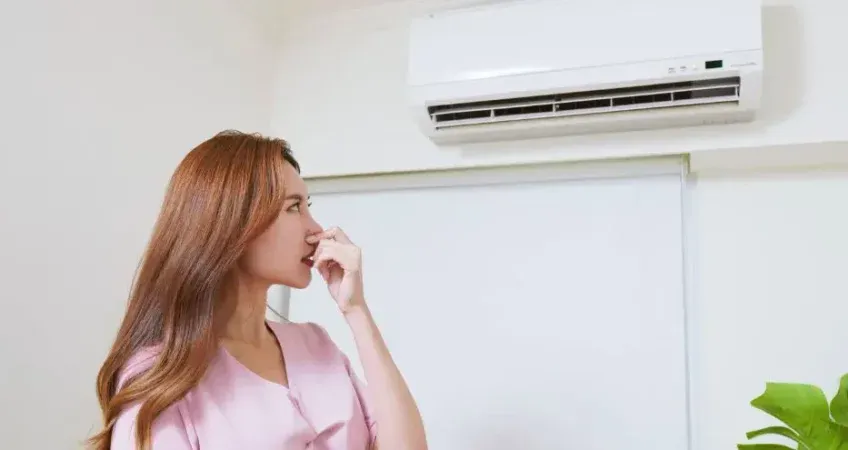
That unpleasant smell wafting from your air conditioner isn’t just annoying—it could be signaling problems that need immediate attention, especially in Dubai’s challenging climate. With year-round AC usage and humidity levels that fluctuate dramatically between seasons, Dubai homes face unique challenges when it comes to maintaining fresh-smelling cooling systems.
Common Causes of AC Bad Smell in Dubai Homes
1. Mold and Mildew Growth
Dubai’s combination of high humidity and near-constant air conditioning creates perfect conditions for mold development. When your AC runs, condensation forms on the cooling coils and drains into a collection pan. In our humid climate, this moisture can become trapped, creating breeding grounds for mold.
Dubai-Specific Factor: During the humid summer months (May-September), many residents experience increased moldy smells from their AC systems as humidity levels regularly exceed 80%.
2. Stagnant Water in Drain Pans
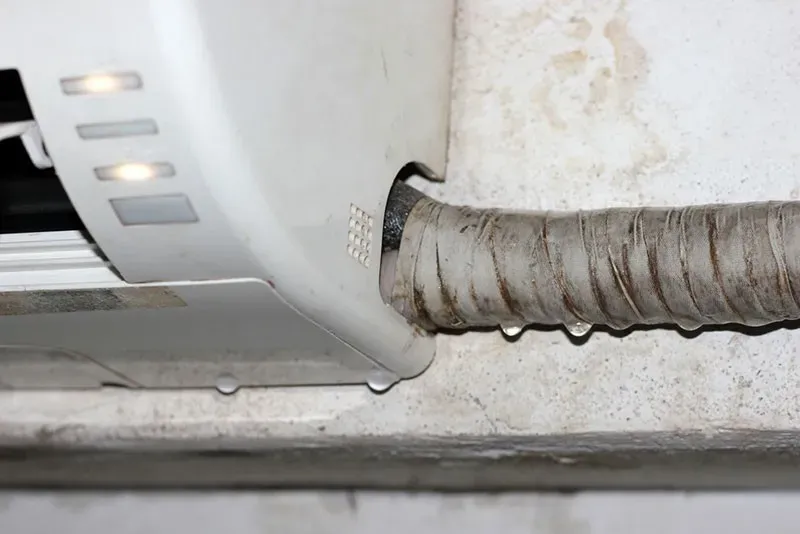
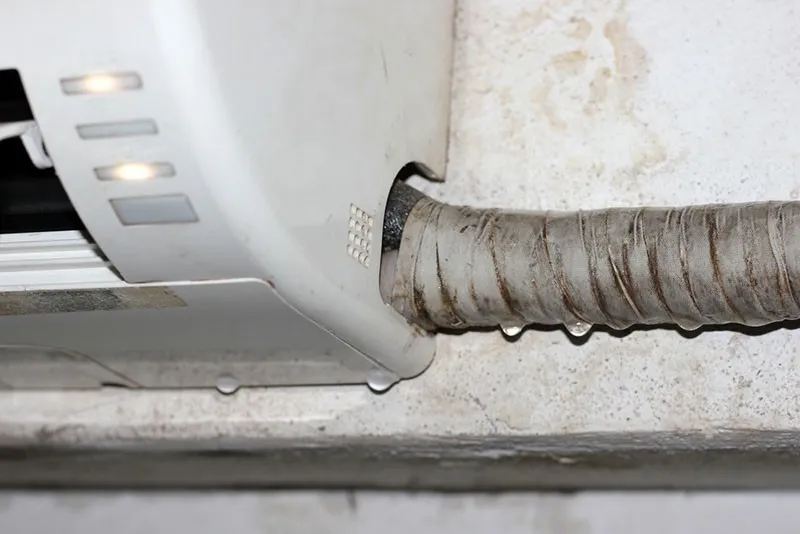
Poorly designed or maintained drainage systems lead to standing water in your unit’s drain pan. This stagnant water becomes putrid over time, especially in Dubai’s heat.
What Most People Miss: The drainage pipes leading from your indoor unit to the outside of your building can develop blockages from dust accumulation—a persistent issue in our desert environment.
3. Dust-Clogged Filters
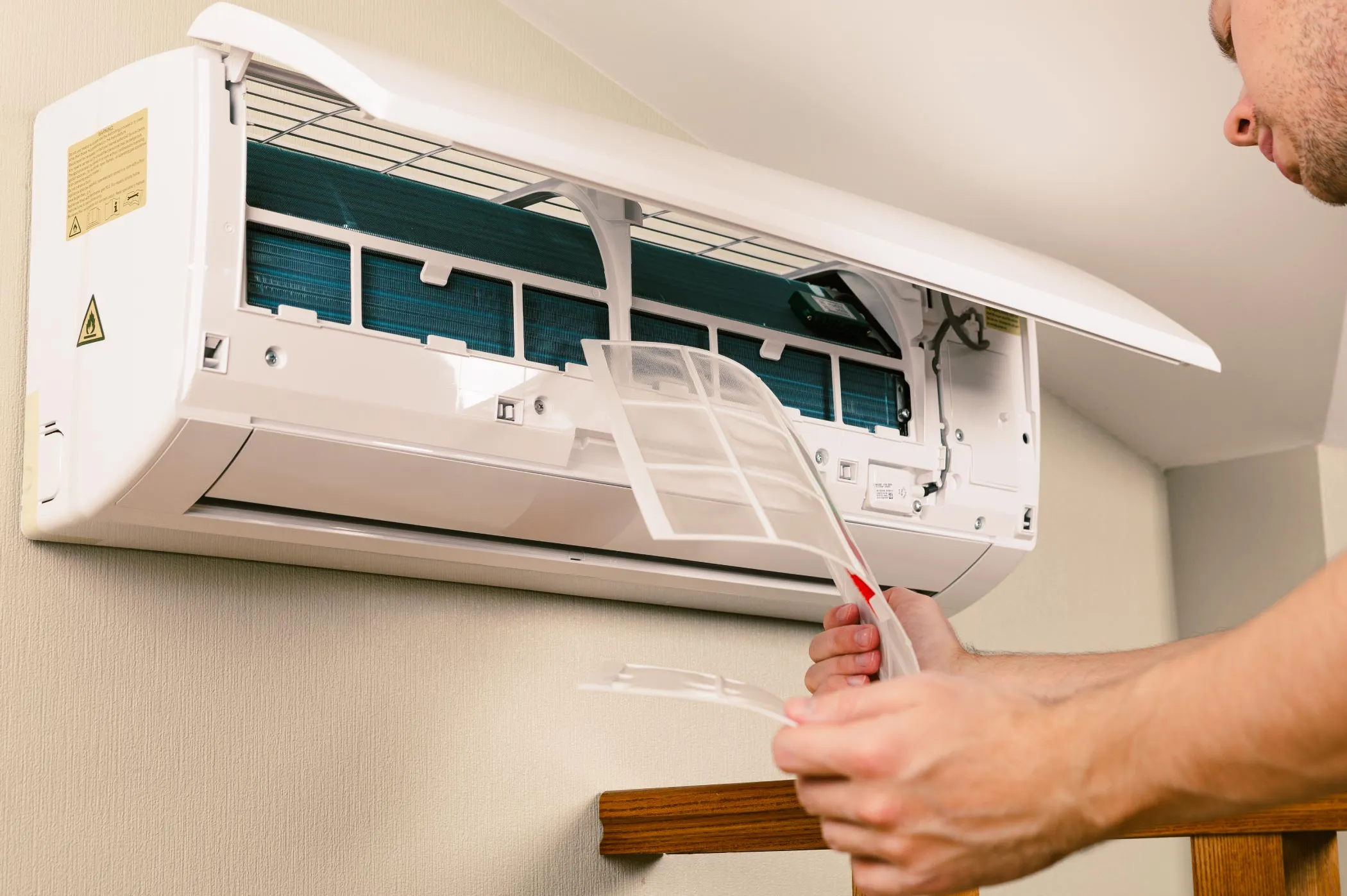
Dubai’s environment contains fine sand and construction dust that quickly clogs AC filters. When dust accumulates, it creates a musty smell when air passes through.
Local Insight: During shamal seasons (dusty wind periods), AC filters can become clogged much faster than normal, sometimes requiring cleaning every two weeks instead of monthly.
4. Dead Pests in Ductwork
Small pests seeking shelter from Dubai’s heat may find their way into your ductwork and die there, causing persistent foul odors.
Common Dubai Issue: In older buildings and villas, especially those near construction sites, pest infiltration becomes more common during the hottest months when creatures seek refuge in cooler spaces.
5. Chemical or Burning Smells
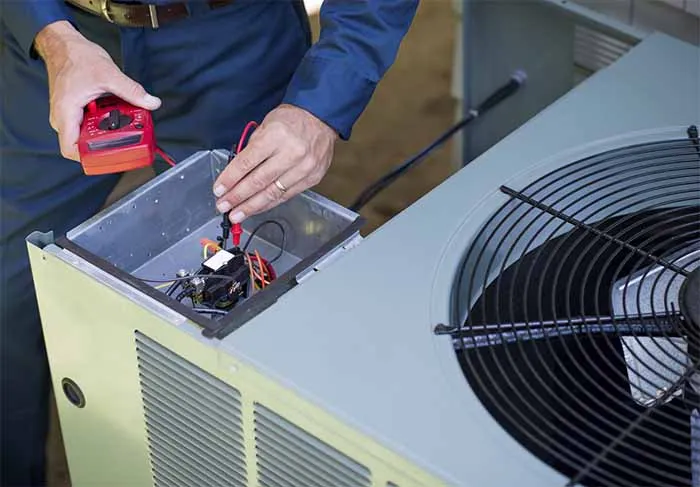
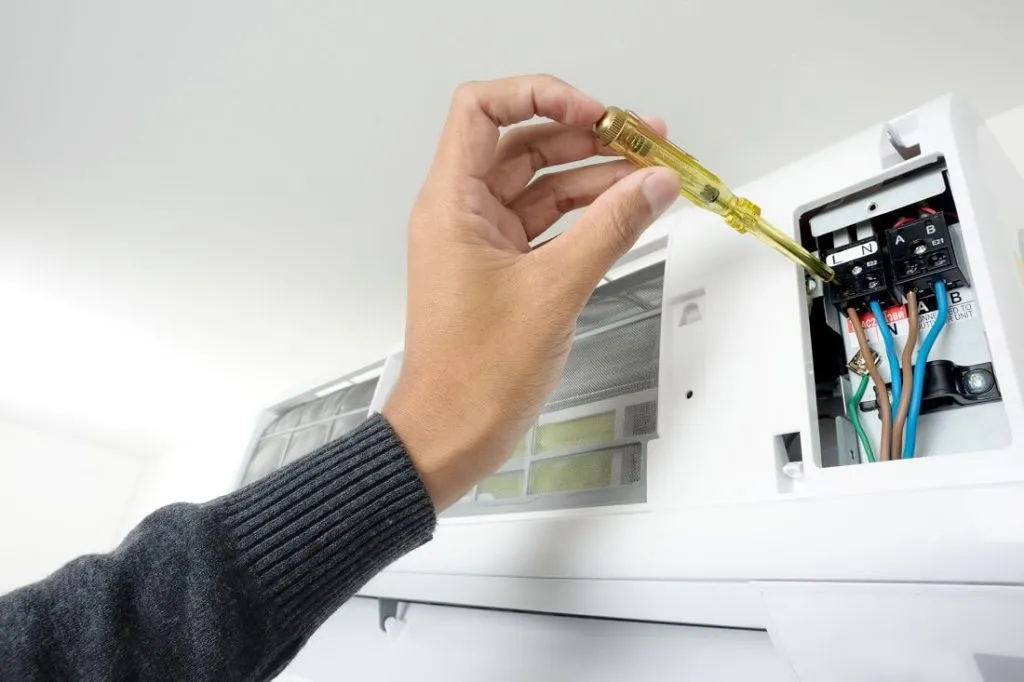
If your AC smells like chemicals or burning, it could indicate electrical problems, refrigerant leaks, or overheating components.
Dubai Context: Voltage fluctuations during peak summer usage can cause electrical components to overheat, creating burning smells that shouldn’t be ignored.
Solutions for AC Bad Smell in Dubai
Professional Cleaning and Disinfection
The most effective solution for persistent AC odors is a thorough professional cleaning. This should include:
- Complete evaporator coil cleaning
- Drain pan disinfection
- Ductwork inspection and sanitization
- Condenser unit cleaning (outdoor unit)
What Most People Overlook: Many Dubai residents clean only the visible parts of their AC systems, missing the internal components where most odor-causing contaminants accumulate.
Regular Filter Maintenance
In Dubai’s dusty environment, AC filters need more frequent attention:
- Check filters every 2-3 weeks during dusty seasons
- Clean or replace as needed (don’t wait until they’re visibly clogged)
- Consider upgrading to antimicrobial filters for better protection
Practical Tip: Set a recurring phone reminder to check filters, scheduling it alongside other regular household maintenance tasks.
Address Drainage Issues
Proper drainage prevents stagnant water and resulting odors:
- Ensure drain lines are clear and properly sloped
- Add bleach solution or specialized AC drain tablets monthly
- Consider installing a secondary drain pan with a float switch for extra protection
Dubai-Specific Solution: In high-humidity months, consider running a dehumidifier in problem rooms to reduce moisture load on your AC system.
Dealing with Pest Problems
To prevent pests from causing AC odors:
- Install mesh screens on outdoor vents
- Schedule regular pest control treatments
- Seal any gaps around AC ducting, especially in older properties
Local Context: In apartment buildings, coordinate with building management for comprehensive pest control, as neighboring units can affect your space.
Prevention Through Regular Maintenance
The best way to prevent AC bad smell is through consistent maintenance:
- Schedule professional AC servicing at least twice yearly (before summer and after)
- Run your fan mode occasionally when the AC isn’t needed to dry out internal components
- Keep indoor humidity levels between 40-60% using humidity monitors
Dubai Climate Consideration: Schedule an additional pre-summer deep cleaning in April/May before you begin running your AC constantly.
When to Call a Professional About an AC Bad Smell
While some maintenance can be handled yourself, certain situations require professional intervention:
- Persistent moldy or musty smells despite cleaning
- Any burning or chemical odors
- Visible mold growth inside the unit
- Water is leaking from the indoor unit
- Reduced cooling performance accompanying the smell
Important for Dubai Residents: During peak summer months, wait times for technicians can extend to weeks. Address concerns about smells promptly before the hottest season begins.
Understanding Dubai’s Unique AC Challenges
Unlike more temperate climates, Dubai’s AC systems face:
- Nearly year-round operation
- Extreme temperature differentials between indoor and outdoor air
- High ambient humidity during certain months
- Fine desert dust and construction particulates
- Relentless sunlight exposure on outdoor units
These factors accelerate wear and increase the likelihood of developing odor issues that might take longer to develop elsewhere.
Conclusion
Bad smells from your AC in Dubai typically indicate issues that need addressing—not just for comfort but for your health and system efficiency. Regular maintenance tailored to Dubai’s unique climate challenges can prevent most odor problems before they start.
By understanding the common causes of AC bad smell specific to our region and implementing appropriate solutions, you can maintain fresh, clean air in your Dubai home year-round.
Remember that prevention through consistent maintenance is far easier and more cost-effective than dealing with established mold growth or component failures that often result from neglected systems.