Your AC is running, but your apartment still feels like a sauna. Sound familiar? In Dubai’s relentless heat, a malfunctioning air conditioner isn’t just uncomfortable—it’s unbearable. Before you panic or call for emergency repairs, there are several issues you can diagnose and potentially fix yourself.
Let me walk you through the most common reasons why your AC isn’t cooling properly in Dubai, plus practical solutions that actually work.
Why Dubai’s Climate Makes AC Problems Worse
Dubai’s extreme temperatures and high humidity create unique challenges for air conditioning systems. When it’s 45°C outside and your AC is struggling, every degree matters. The constant workload, combined with frequent sandstorms and the salty coastal air, puts extra stress on cooling systems.
Most AC units in Dubai work overtime from May through October, which means components wear out faster than in milder climates. Understanding this helps explain why certain problems occur more frequently here.
Quick Checks Before You Call a Technician
Check Your Air Filter First
This sounds basic, but a clogged air filter is the number one culprit when your AC is not cooling properly in Dubai. Dubai’s dusty environment means filters get dirty fast, sometimes within just a few weeks.
Pull out your filter and hold it up to the light. If you can’t see through it clearly, it needs cleaning or replacement. A dirty filter restricts airflow, making your system work harder while cooling less effectively.
Inspect Your Outdoor Unit
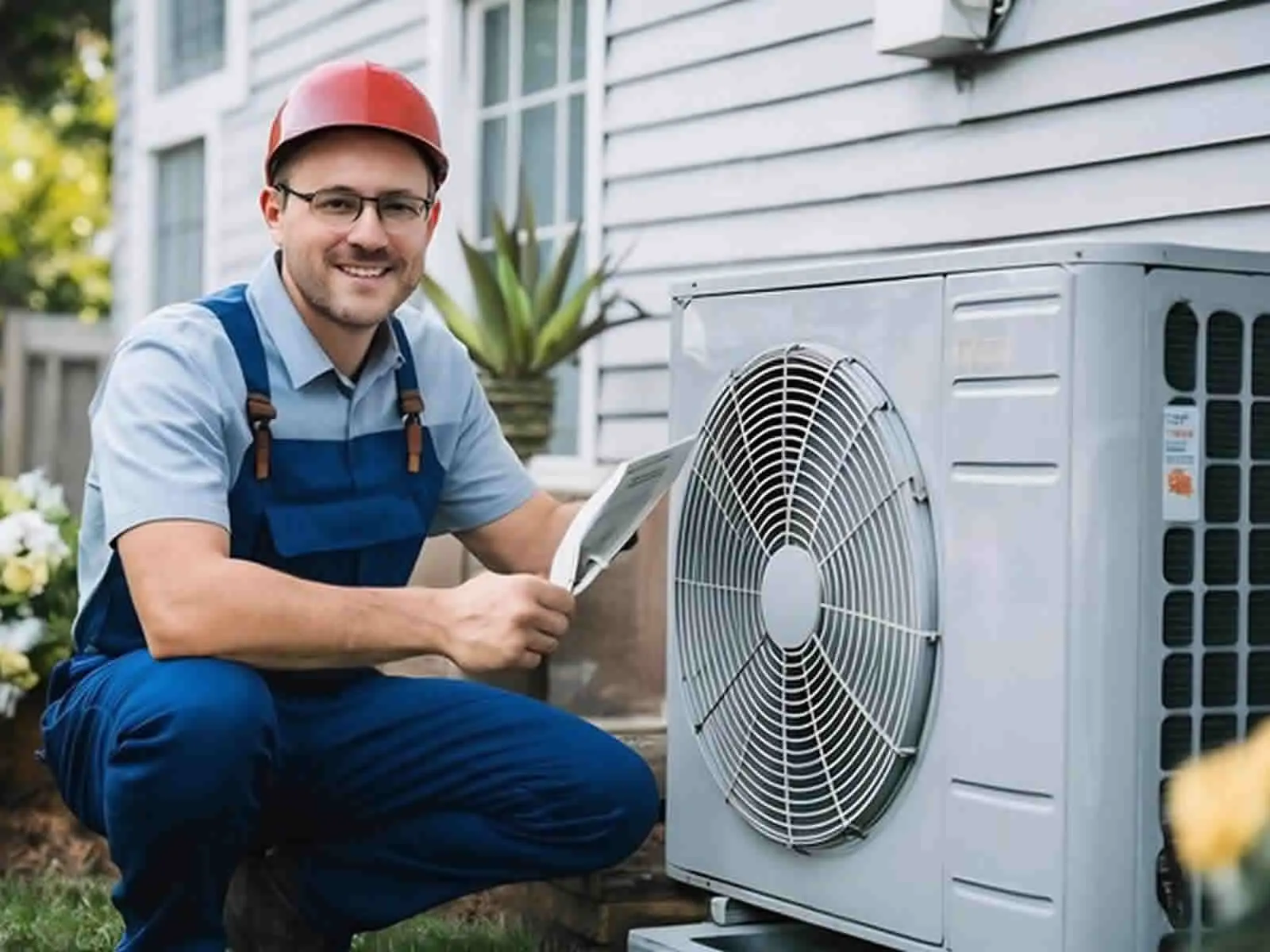
Step outside and look at your outdoor condenser unit. Is it covered in dust, sand, or debris? In Dubai’s sandy environment, the outdoor coils can get coated with a thick layer of dust that acts like insulation, preventing heat from escaping.
Turn off your AC and gently spray the coils with water from a garden hose. Don’t use high pressure—just enough to remove the surface dirt. This simple step can immediately improve cooling performance.
Common Causes of Poor AC Performance in Dubai
Refrigerant Leaks
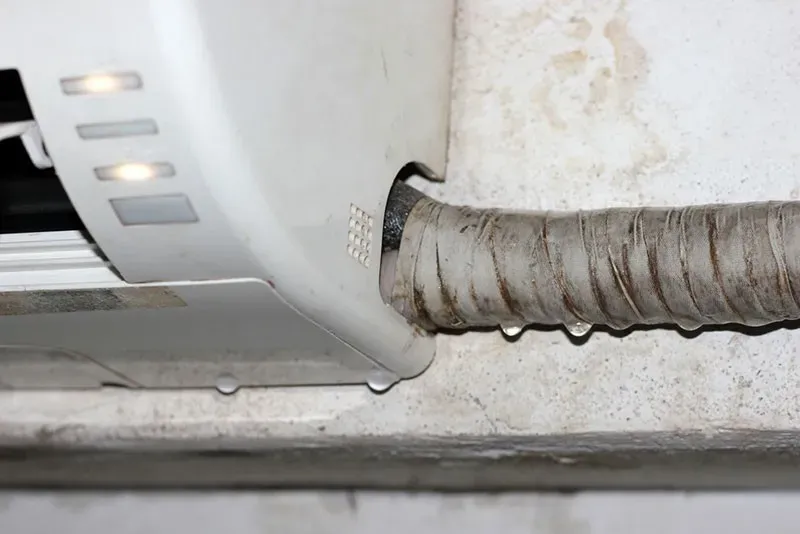
Refrigerant is your AC’s lifeblood. When levels drop due to leaks, cooling capacity plummets. You might notice ice forming on the indoor unit or hear hissing sounds near the refrigerant lines.
Low refrigerant isn’t something you can fix yourself—it requires professional equipment and certification. However, you can prevent leaks by scheduling regular maintenance and avoiding damage to the refrigerant lines during renovations.
Thermostat Issues
Sometimes the problem isn’t mechanical—it’s digital. If your thermostat is placed near a heat source (like a sunny window or kitchen), it might be reading temperatures incorrectly. This causes your AC to cycle on and off at the wrong times.
Check if your thermostat is set to “cool” mode and the temperature is set lower than the current room temperature. If you have a programmable thermostat, make sure the schedule matches your actual routine.
Ductwork Problems in Dubai Apartments
Many Dubai apartments have poorly sealed ductwork hidden behind false ceilings. Cool air can leak into ceiling voids instead of reaching your living space. You might notice some rooms cooling better than others, or feel warm air coming from certain vents.
Look for visible gaps around ductwork and check if the insulation around ducts is intact. In Dubai’s heat, uninsulated ducts can warm up significantly, reducing cooling efficiency.
Dubai-Specific AC Challenges
Sand and Dust Infiltration
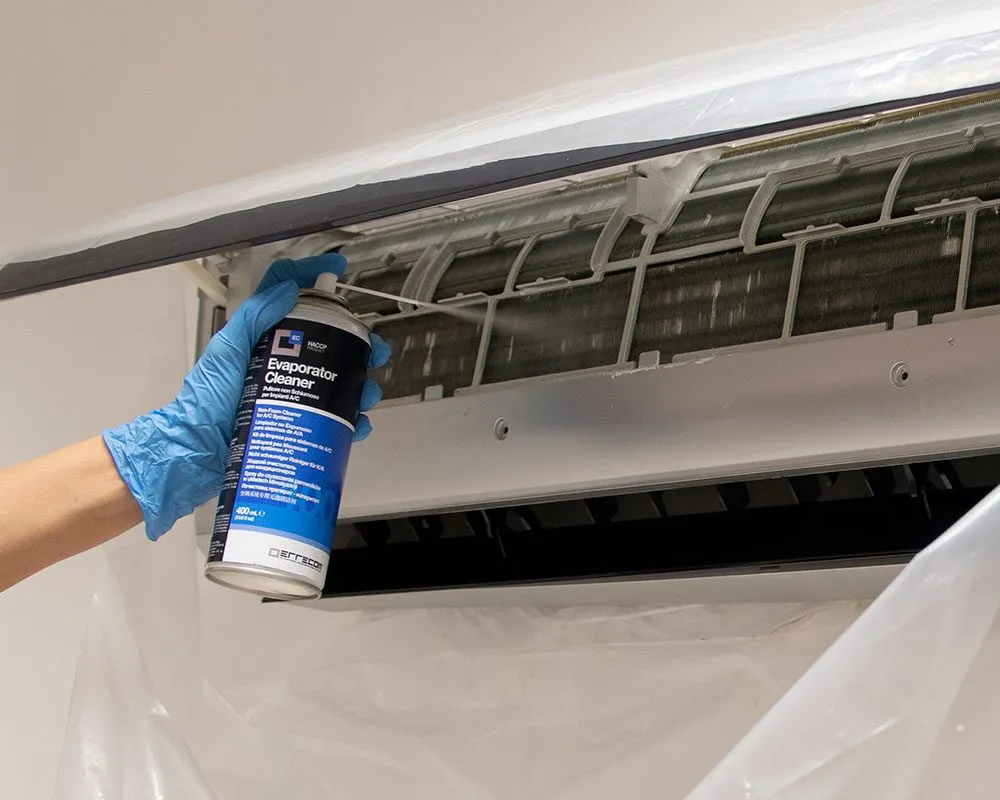
Dubai’s frequent sandstorms can clog more than just your filter. Fine sand particles can coat the evaporator coils inside your unit, reducing heat transfer. This is especially common in ground-floor apartments or homes without proper sealing.
Regular cleaning of both indoor and outdoor coils becomes crucial here. Consider upgrading to higher-grade filters if you’re in a particularly dusty area, like near construction sites.
Electrical Issues from Power Fluctuations
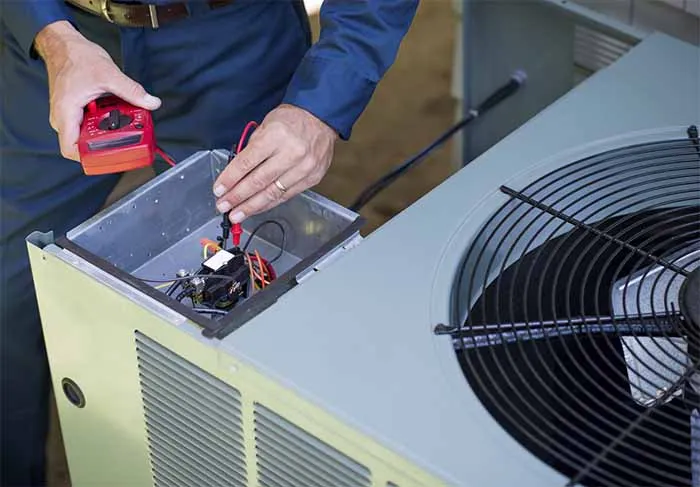
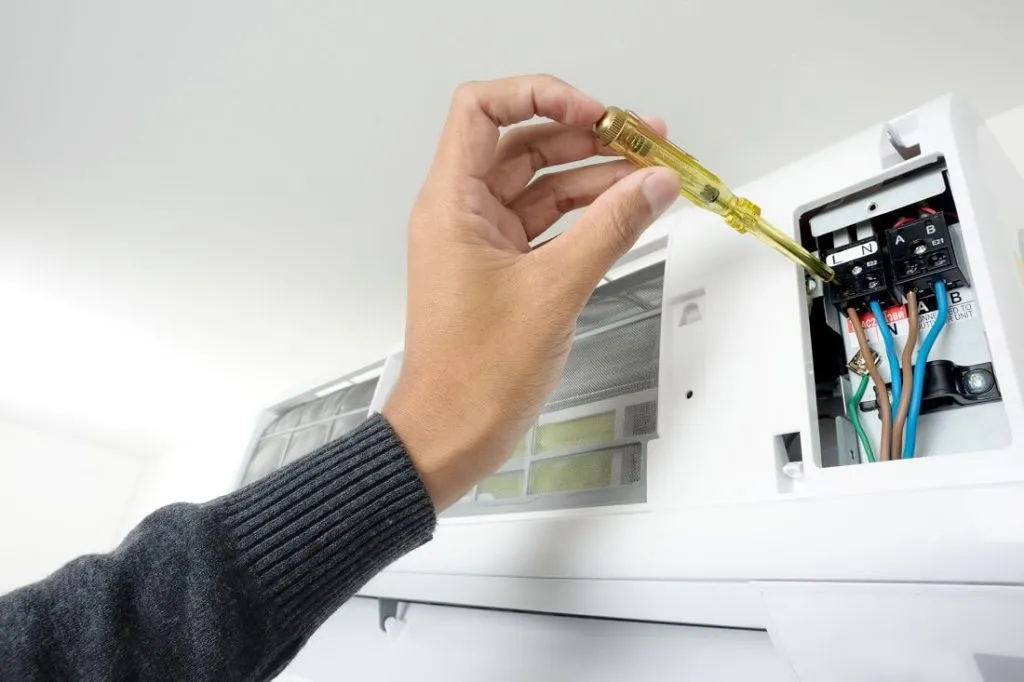
Dubai’s growing infrastructure sometimes means power fluctuations that can damage AC components. Compressors and control boards are particularly sensitive to voltage variations.
If your AC keeps tripping circuit breakers or makes unusual noises when starting, you might have electrical issues. Installing a voltage stabilizer can protect your system from future damage.
Overworked Systems in High-Rise Buildings
In many Dubai towers, multiple AC units share outdoor space on balconies or designated areas. Poor ventilation around outdoor units can cause them to overheat, especially during peak summer months when every unit runs simultaneously.
Check if your outdoor unit has adequate clearance on all sides. The hot air expelled by neighboring units can affect your system’s performance.
When Your AC Runs But Doesn’t Cool
Compressor Problems
The compressor is your AC’s heart. If it’s running but not cooling, you might hear it cycling on and off frequently, or it might run continuously without reaching the set temperature.
Compressor issues often develop gradually. You might first notice longer cooling times, then eventual failure. These problems typically require professional diagnosis and repair.
Frozen Evaporator Coils
Ironically, your AC can freeze up even in Dubai’s heat. This usually happens when airflow is restricted (dirty filter) or refrigerant levels are low. You’ll see ice buildup on the indoor unit and feel little to no cold air from the vents.
If this happens, turn off your AC and let it thaw completely before restarting. Address the underlying cause—usually airflow or refrigerant issues—to prevent recurrence.
Preventive Maintenance Tips for Dubai Conditions
Monthly Filter Checks
In Dubai’s dusty environment, check your filters monthly instead of quarterly. This simple habit can prevent most cooling problems before they start.
Annual Professional Maintenance
Schedule professional maintenance before summer hits. A technician can check refrigerant levels, clean coils thoroughly, and identify potential problems while they’re still minor.
Keep Your Outdoor Unit Clear
Remove debris, trim vegetation, and ensure adequate airflow around your outdoor unit. In Dubai’s intense sun, any obstruction can significantly impact performance.
Red Flags That Need Professional Attention
Some problems require immediate professional help:
- Strange odors (burning, chemical, or musty smells)
- Unusual noises (grinding, squealing, or banging)
- Frequent circuit breaker trips
- Ice formation on the indoor unit
- Warm air from all vents despite the correct settings
Don’t ignore these warning signs—they often indicate serious issues that can become expensive if left untreated.
Maximizing Your AC’s Efficiency in Dubai Heat
Set your thermostat to a reasonable temperature—around 24°C is comfortable and efficient. Every degree lower increases energy consumption significantly.
Use ceiling fans to circulate cool air, allowing you to set the thermostat a few degrees higher while maintaining comfort. Close curtains during the day to reduce heat gain from Dubai’s intense sun.
Final Thoughts
Most ACs not cooling properly in Dubai situations have straightforward solutions. Start with the basics—clean filters, clear outdoor units, and check thermostat settings. These simple steps resolve many cooling issues without requiring professional help.
However, don’t hesitate to consult a qualified technician for complex problems. Dubai’s harsh climate demands reliable cooling, and addressing issues early prevents costly breakdowns during peak summer months.
Regular maintenance and attention to Dubai-specific challenges will keep your AC running efficiently, ensuring comfort throughout the year while managing energy costs effectively.
Frequently Asked Questions
Dubai’s dusty environment, frequent sandstorms, and high construction activity cause filters to clog within 2-4 weeks instead of the typical 1-3 months in other climates.
Clean your outdoor unit monthly during dusty seasons and after sandstorms. Regular cleaning prevents sand buildup that reduces cooling efficiency.
Yes, it’s normal for AC units to run almost continuously when outdoor temperatures exceed 40°C. However, it should still cool your space to the set temperature.
AC units freeze due to restricted airflow (dirty filters) or low refrigerant levels, not outdoor temperature. The evaporator coils get too cold and ice forms.
Set your thermostat between 22-24°C for optimal comfort and efficiency. Lower settings significantly increase energy consumption without much comfort improvement.