Living in Dubai means your air conditioning system works overtime. With temperatures soaring above 45°C during summer months and humidity levels that can make even the early morning feel sticky, your AC unit becomes your home’s lifeline. But here’s something many residents don’t realize: a clogged drainage line can turn your cooling sanctuary into a breeding ground for mold, bacteria, and expensive repairs.
Your AC drainage line quietly removes gallons of condensation every day, but when it fails, the consequences affect more than just your comfort—they impact your family’s health and your property’s integrity.
Understanding Your AC Drainage System
Your air conditioning unit doesn’t just cool air—it removes moisture from it. In Dubai’s humid climate, this means your system pulls significant amounts of water from the air every single day. This condensation needs somewhere to go, and that’s where your drainage line comes in.
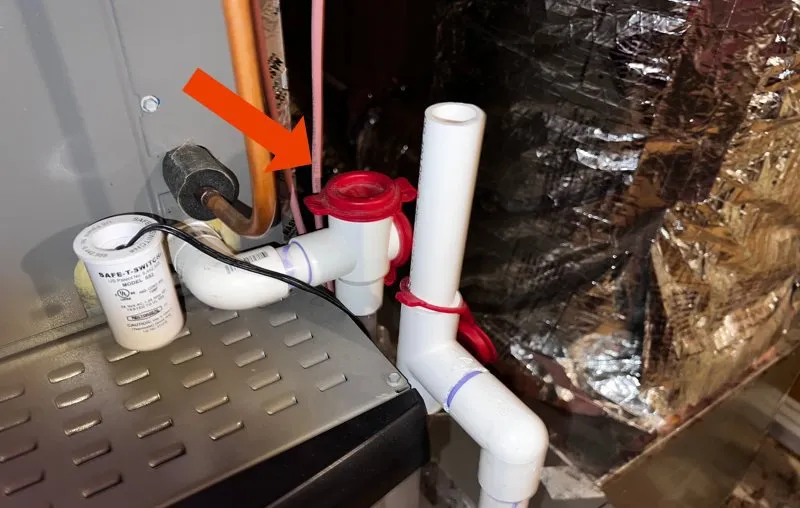
The drainage system consists of several key components: the evaporator coil, where condensation forms, the drain pan that catches the water, and the drainage line that carries it away from your unit. In Dubai’s sandy, dusty environment, these components face unique challenges that can lead to blockages and system failures.
Why AC Drainage Line Clogs Are More Common in Dubai
Dubai’s climate creates the perfect storm for drainage problems. The combination of high humidity and constant dust exposure means your system works harder and accumulates debris faster than in other climates.
The fine sand particles that settle on everything in Dubai don’t just affect your car or outdoor furniture—they infiltrate your AC system. When mixed with the constant moisture from condensation, this creates a paste-like substance that gradually builds up in your drainage lines.
Additionally, the extreme temperature differences between Dubai’s outdoor heat and your cool indoor environment create more condensation than in typical climates. More water means more opportunities for stagnation and blockage formation.
Health Impacts of Clogged AC Drainage Lines
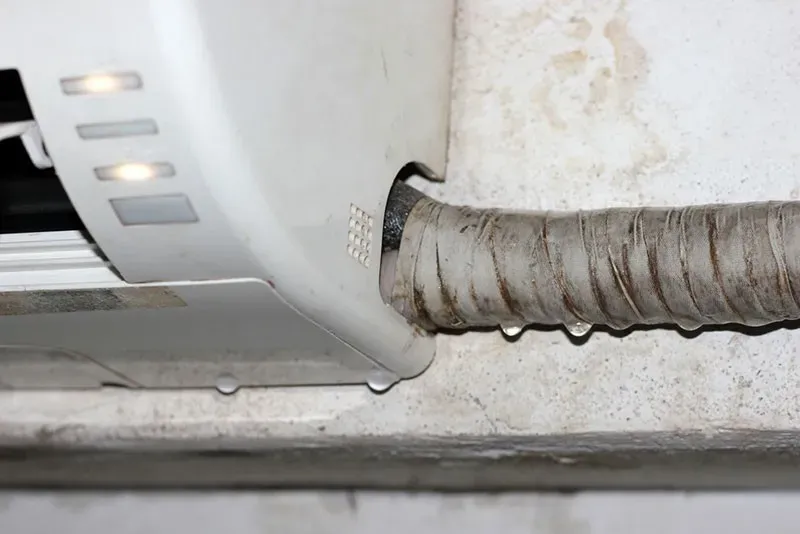
When drainage lines become clogged, water begins backing up into your system and potentially into your living space. This standing water becomes a breeding ground for harmful microorganisms that directly affect your family’s health.
Mold spores thrive in Dubai’s humid conditions, and a clogged drainage line provides the perfect environment for rapid growth. These spores circulate through your home’s air supply, potentially triggering respiratory issues, allergies, and asthma symptoms, particularly concerning for children and elderly family members.
Bacterial growth in stagnant water can create unpleasant odors and contribute to poor indoor air quality. For families with pets, these contaminants can be especially harmful, as animals are often more sensitive to airborne irritants.
Professional Drainage Line Maintenance vs. Regular AC Service
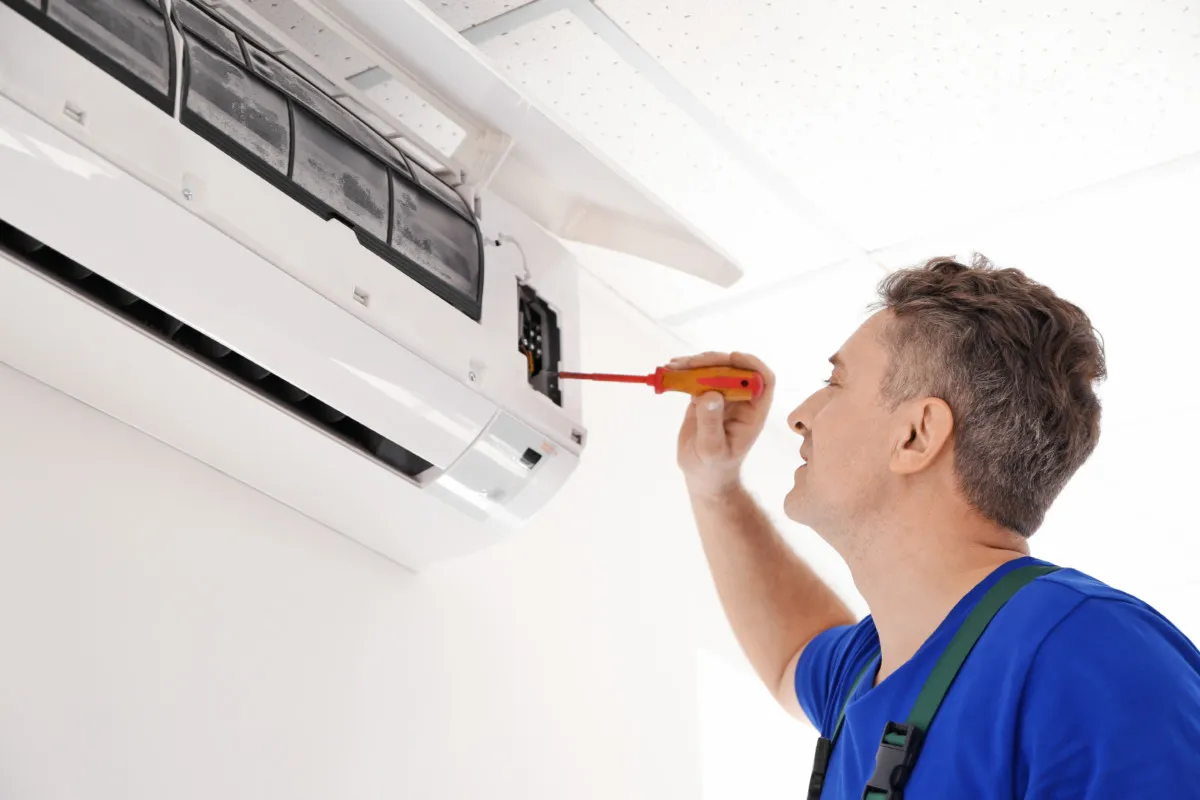
Regular AC maintenance typically focuses on filter changes, coil cleaning, and system performance checks. However, specialized drainage line service goes much deeper into preventing and addressing blockage issues.
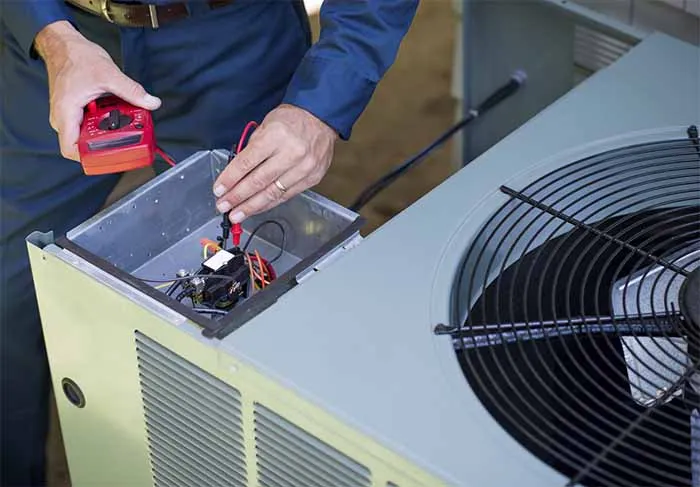
Professional drainage line maintenance involves using specialized equipment to flush the entire system, removing accumulated debris that regular maintenance might miss. This service includes inspecting the drain pan for cracks, checking slope angles to ensure proper water flow, and testing drainage capacity under Dubai’s high-moisture conditions.
Unlike basic maintenance, professional drainage service addresses the root causes of clogs specific to Dubai’s environment, including sand particle removal and moisture management strategies tailored to local climate conditions.
Preventing AC Drainage Line Clogs: Practical Steps
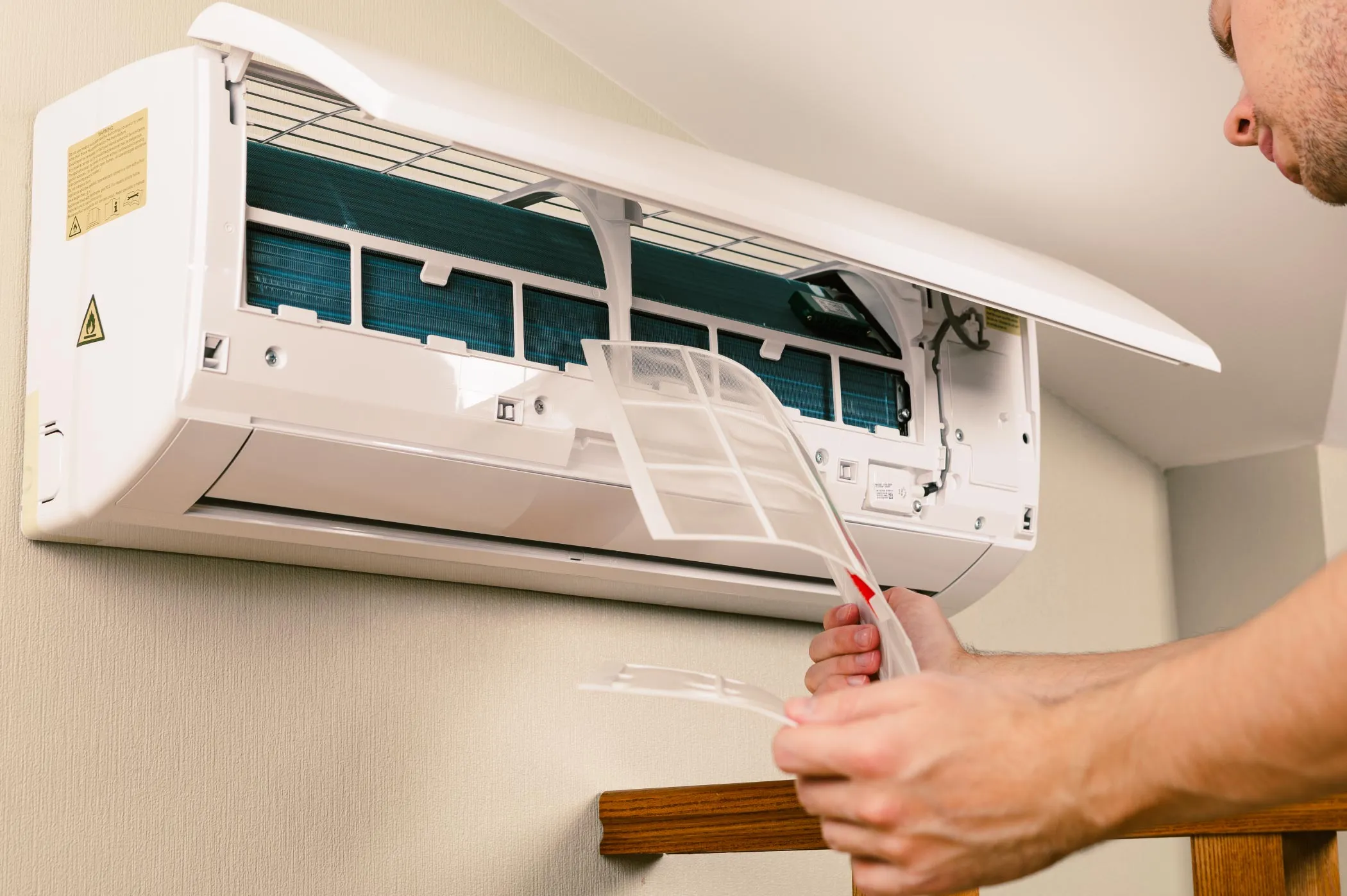
Start by changing your air filters more frequently than manufacturers typically recommend. In Dubai’s dusty environment, filters should be checked monthly and replaced every 4-6 weeks during peak usage periods.
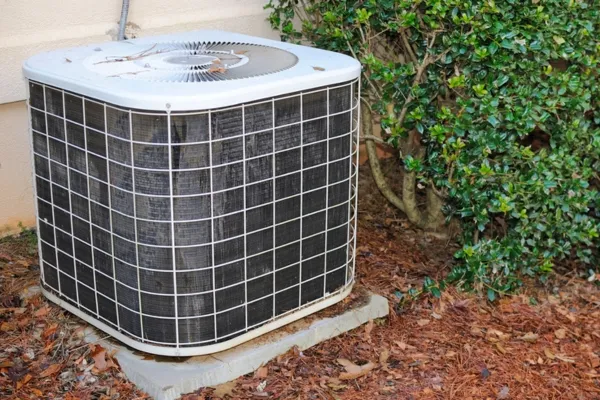
Keep the area around your outdoor unit clear of debris and vegetation. Sand, leaves, and other materials can enter your system and contribute to drainage blockages. Regular cleaning of the outdoor unit’s surroundings prevents these materials from being drawn into your system.
Monitor your indoor humidity levels using a simple hygrometer. If humidity consistently exceeds 60%, your system is working harder to remove moisture, increasing the risk of drainage issues. Consider using exhaust fans in bathrooms and kitchens to reduce the moisture load on your AC system.
Key Areas Requiring Special Attention
The evaporator coil deserves particular attention in Dubai’s climate. This component faces constant moisture and dust exposure, making it prone to developing biofilm—a slimy layer that can flake off and clog drainage lines.
Your drain pan often gets overlooked but requires regular inspection. Dubai’s temperature fluctuations can cause plastic drain pans to crack, leading to water damage and mold growth in hidden areas of your home.
The condensate pump, if your system has one, needs regular testing to ensure it can handle Dubai’s high condensation loads. Pump failures often go unnoticed until water damage occurs.
Complementary Services for Optimal Results
Duct cleaning becomes more critical in Dubai due to the constant sand infiltration. Clean ducts reduce the overall debris load on your system, including the drainage components.
Indoor air quality testing helps identify whether your AC system is contributing to health issues and can reveal hidden mold growth from previous drainage problems.
Humidity control systems work alongside your AC to manage moisture levels more effectively, reducing the burden on your drainage system while improving overall comfort and health.
Maintaining a Healthy Environment
Create a maintenance schedule that accounts for Dubai’s unique challenges. Check drainage lines monthly during peak summer months when your system runs continuously.
Install water leak detectors near your indoor unit to catch drainage problems early. These simple devices can alert you to issues before they become expensive repairs or health hazards.
Keep detailed records of when your system shows signs of drainage issues, such as musty odors, unusual sounds, or visible water around the unit. This information helps professionals identify patterns and address root causes.
Conclusion
Preventing AC drainage line clogs isn’t just about maintaining your equipment—it’s about protecting your family’s health and your property investment in Dubai’s challenging climate. By understanding how your drainage system works and implementing regular preventive measures, you can avoid the costly repairs and health issues that come with neglected maintenance.
The combination of Dubai’s dust, humidity, and extreme temperatures makes proactive drainage line care essential rather than optional. Consider scheduling professional drainage line inspection and cleaning as part of your regular home maintenance routine, especially during the transition periods between Dubai’s relatively mild winters and intense summers.
Frequently Asked Questions
Due to Dubai’s harsh climate conditions, drainage lines should be professionally cleaned every 3-4 months during peak summer usage and every 6 months during cooler periods. High-usage periods require more frequent attention.
Watch for water pooling around your indoor unit, musty odors when the AC runs, unusually high humidity levels indoors, or gurgling sounds from your system. Any of these symptoms warrant immediate attention.
While basic maintenance like filter changes can be DIY, drainage line cleaning requires specialized equipment and knowledge of system components. Improper cleaning can damage sensitive parts or miss hidden blockages.
Factors include your AC usage patterns, indoor activities that generate moisture, the age and condition of your system, and how well your home is sealed against dust infiltration. Each home faces unique challenges.
Ignored clogs can lead to water damage, mold growth, system corrosion, complete AC failure, and serious health issues for your family. The repair costs typically far exceed preventive maintenance expenses.