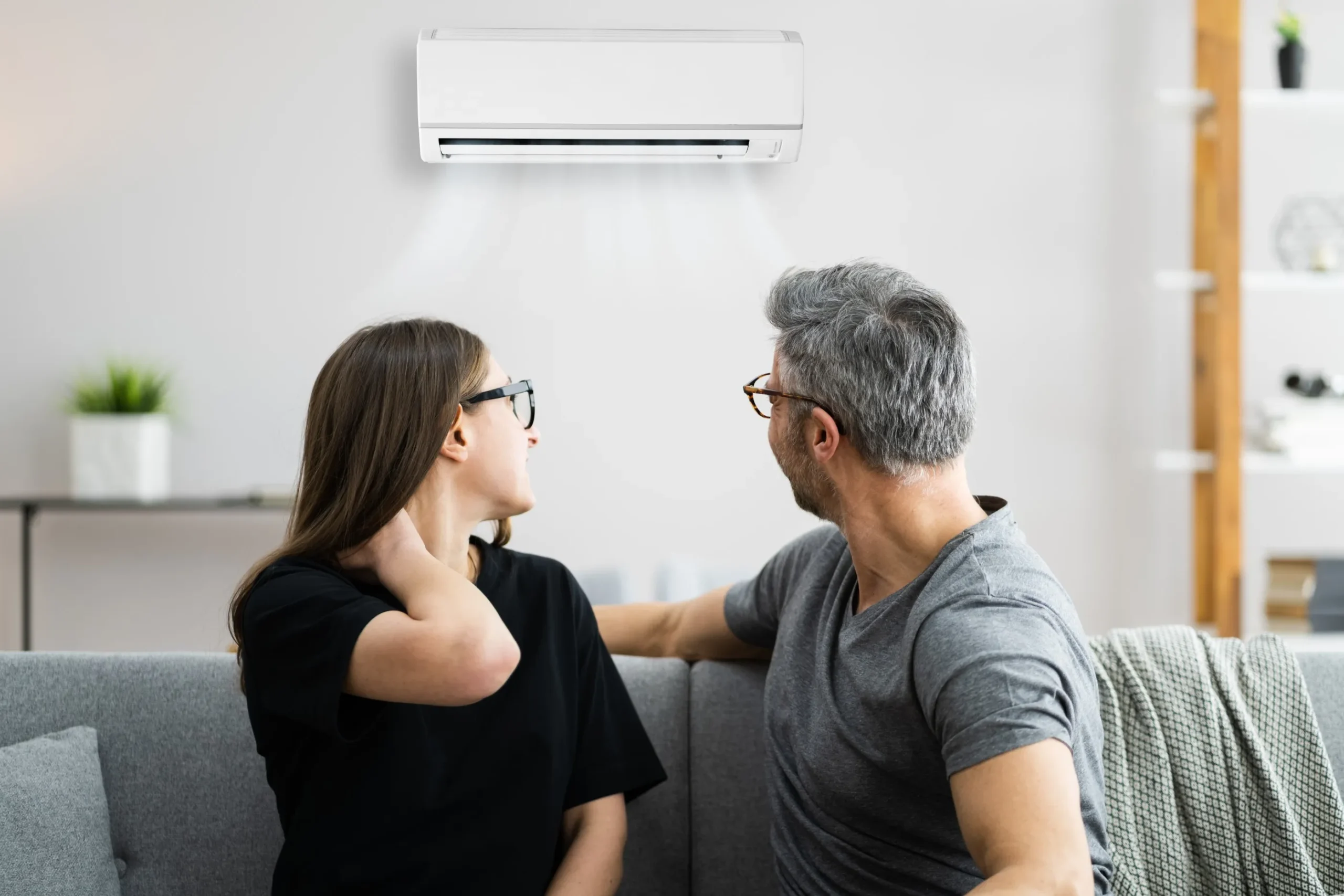
Living in Al Barsha 2, you’re probably used to your air conditioning running almost constantly. It’s not just a luxury here – it’s essential for survival during those scorching summer months when temperatures regularly push past 45°C. But here’s something most residents don’t realize: your AC system is working harder in this neighborhood than in many other parts of Dubai, and that has serious implications for your health and comfort.
Al Barsha 2 sits in an area where desert winds carry fine sand particles directly into residential zones, while the proximity to busy roads means your outdoor units are constantly battling dust, vehicle emissions, and debris. Your AC isn’t just cooling your home – it’s filtering everything the Dubai environment throws at it. When it starts struggling, you’re not just losing cool air; you’re potentially breathing in accumulated contaminants that have built up inside your system.
What Actually Happens During Professional AC Repair
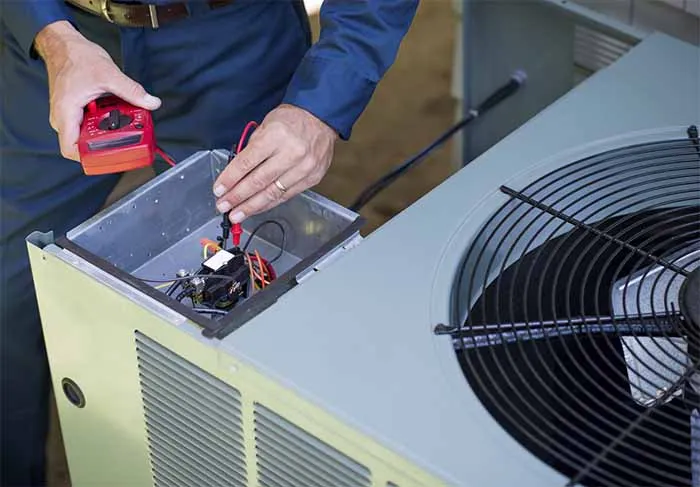
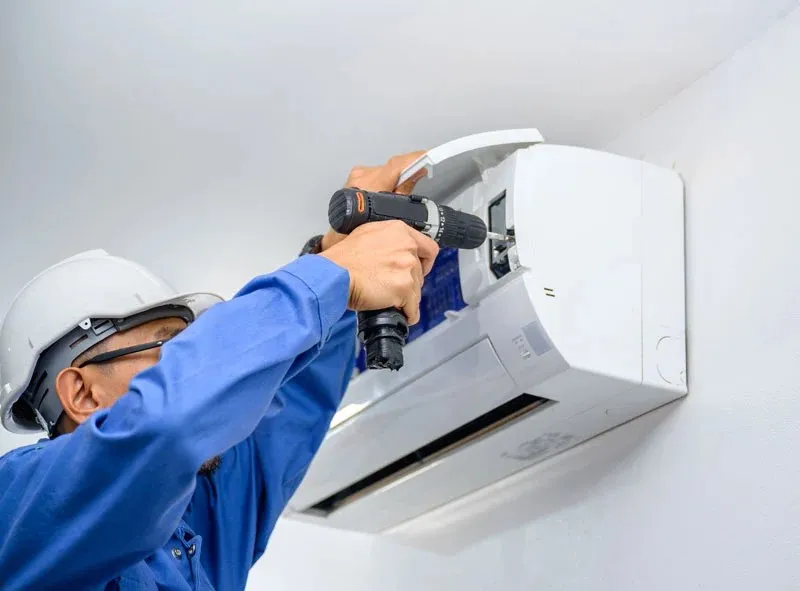
AC repair isn’t simply about fixing what’s broken. When a qualified technician arrives at your Al Barsha 2 home, they’re conducting a comprehensive assessment of your entire cooling system. This includes inspecting the compressor (the heart of your AC that actually creates cool air), checking refrigerant levels, examining the condenser coils that release heat outside, testing electrical connections, and evaluating your thermostat’s accuracy.
The indoor evaporator coils deserve special attention because they’re where moisture accumulates. In Dubai’s climate, these coils can become breeding grounds for mold and bacteria if not properly maintained. Your technician should be cleaning these thoroughly, checking the condensate drain line that removes moisture from your system, and ensuring your air filters aren’t clogged with the fine dust that’s particularly prevalent in Al Barsha 2.
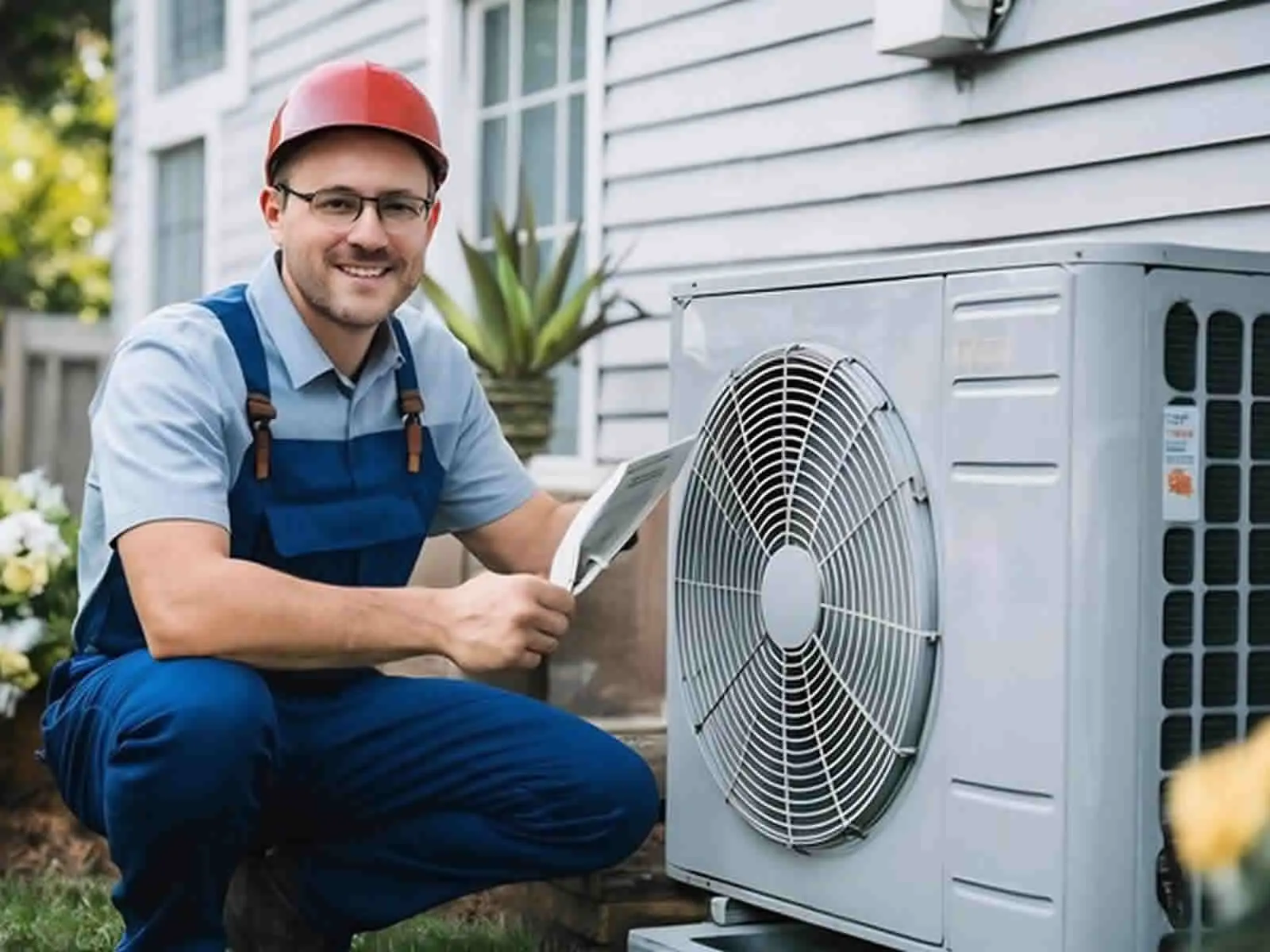
The outdoor unit faces its own challenges. Positioned on your balcony or rooftop, it’s exposed to relentless sun, sand, and pollution. Technicians need to clear debris from the fins, check that the fan motor is operating efficiently, and verify that the unit has adequate airflow – something that often gets compromised when sand accumulates around the base.
Why Your Family’s Health Depends on Proper AC Function
This isn’t about comfort alone – it’s about the air your family breathes every single day. According to Dubai Municipality’s environmental health guidelines, indoor air quality directly impacts respiratory health, particularly for children and elderly residents. When your AC system isn’t functioning properly, several health risks emerge.
A struggling AC system often means reduced filtration efficiency. Your filters should be trapping dust, pollen, and other airborne particles, but when they’re dirty or the system is malfunctioning, these contaminants circulate freely through your home. Children playing on the floor, pets sleeping in their beds, elderly family members with sensitive respiratory systems – they’re all inhaling whatever your AC fails to filter out.
Humidity control is another critical factor. Your AC removes moisture from the air, keeping indoor humidity between 30-50%. When repair issues prevent proper dehumidification, you’ll notice that sticky feeling in the air, but what you won’t see immediately is the mold beginning to grow in corners, behind furniture, and inside your AC ducts. Mold spores trigger allergies, asthma attacks, and respiratory infections – conditions that are particularly concerning for young children and pets who spend most of their time indoors during Dubai’s extreme heat.
Temperature inconsistencies from a malfunctioning system create their own problems. When your AC struggles to maintain consistent cooling, family members experience thermal stress. This is especially dangerous for infants who can’t regulate their body temperature effectively and for pets who can’t communicate when they’re overheating.
Specific Challenges in Al Barsha 2 Properties
Your neighborhood has a mix of villas and apartment buildings, each with unique AC challenges. Villa residents typically have multiple outdoor units and more extensive ductwork, meaning more potential failure points. The larger spaces also mean systems work harder to maintain comfortable temperatures throughout.
Apartment dwellers in the mid-rise and high-rise buildings face different issues. Your outdoor units are often mounted on balconies or in small utility spaces with limited ventilation. This restricted airflow makes your compressor work harder, shortening its lifespan and increasing the likelihood of breakdowns. Additionally, apartments in buildings facing Sheikh Zayed Road deal with more pollution exposure.
The sandy soil composition around Al Barsha 2 means that during windy days – particularly common from March to May – fine particles infiltrate outdoor units more readily than in other neighborhoods. This sand acts like an abrasive, wearing down moving parts faster and clogging fins that need to transfer heat efficiently.
Practical Maintenance Tips Between Professional Repairs
You don’t need to be a technician to keep your system healthier between professional visits. Start by checking your indoor filters monthly – yes, monthly, not quarterly. In Al Barsha 2’s dusty conditions, filters accumulate debris quickly. Hold the filter up to a light source; if you can’t see light passing through easily, it needs replacing.
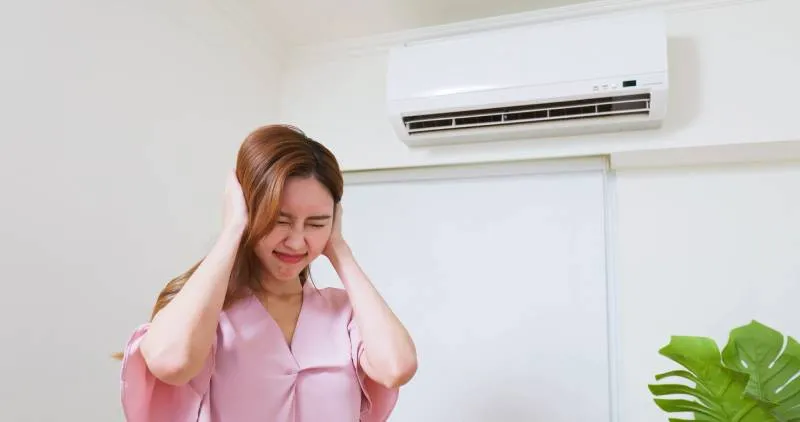
Listen to your AC. New or unusual sounds – grinding, squealing, or rattling – indicate developing problems. The earlier you catch these, the less expensive the repairs typically are. Also, pay attention to any unusual odors. Musty smells suggest mold growth, while burning odors could indicate electrical issues requiring immediate attention.
Keep your outdoor unit clear. Regularly remove leaves, paper, or other debris from around the unit. Ensure there’s at least two feet of clearance on all sides for proper airflow. If you notice sand accumulation, gently rinse the exterior with a garden hose (never a pressure washer, which can damage delicate fins).
Monitor your electricity bills. A sudden increase without corresponding usage changes often indicates your AC is working inefficiently, possibly due to repair needs. Your system might be running longer cycles to achieve the same cooling, signaling component wear, or refrigerant issues.
Services That Work Together for Optimal Results
AC repair in Al Barsha 2 works best when combined with regular maintenance schedules. Think of repair as the emergency response when something breaks, while maintenance is the preventive care that reduces how often repairs become necessary. An Annual Maintenance Contract typically includes quarterly visits where technicians catch small issues before they become expensive repairs.
Duct cleaning is another complementary service worth considering, especially if your home is more than five years old or if you’ve noticed dust accumulating quickly on surfaces. Clean ducts improve the efficiency of your repaired AC system and dramatically improve indoor air quality.
For villa residents with older properties, consider a comprehensive system assessment every few years. As AC systems age, sometimes repair costs start approaching replacement costs. A thorough evaluation helps you make informed decisions about whether continued repairs make financial sense or if upgrading to a more efficient system would serve your family better.
Water tank cleaning is often overlooked, but it connects to your home’s overall health environment. Just as your AC maintains air quality, clean water storage maintains water safety – both essential for family wellbeing in Dubai.
Understanding Common Repair Scenarios
Refrigerant leaks are among the most common issues requiring professional repair. You might notice your AC running constantly but not cooling effectively, or ice forming on the refrigerant lines. These leaks don’t just reduce cooling capacity – they’re environmental hazards and require proper handling by certified technicians.
Compressor failures represent more serious repairs. The compressor is expensive to replace, but catching problems early through unusual noises or reduced cooling can sometimes allow for repairs rather than full replacement. In Al Barsha 2’s extreme heat, compressors work particularly hard and are prone to failure if not properly maintained.
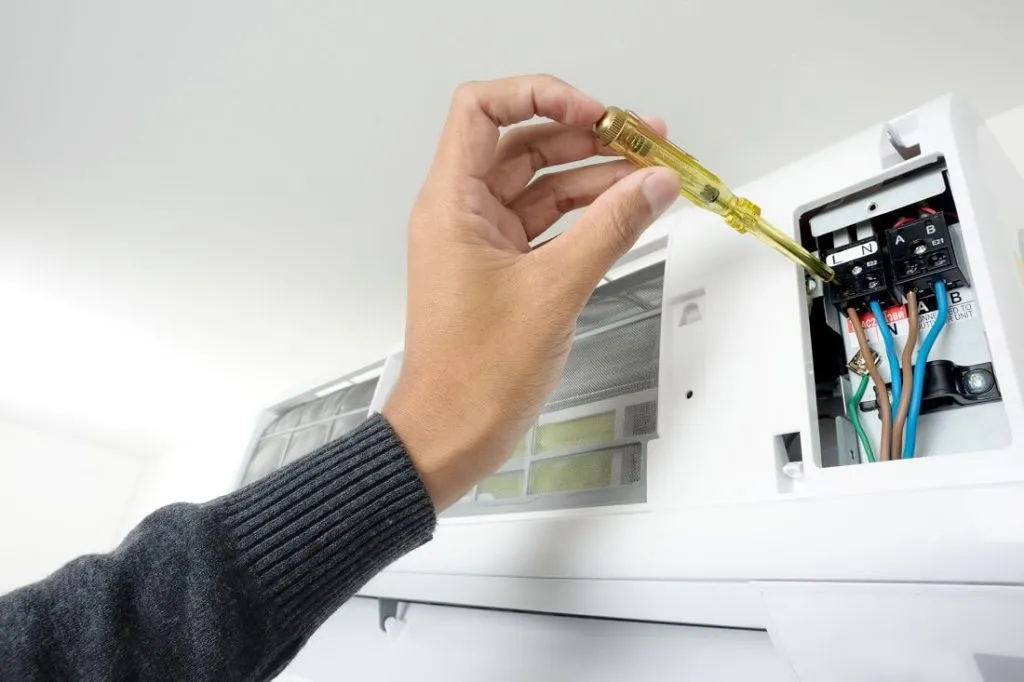
Electrical issues range from simple thermostat problems to complex circuit board failures. These require specialized knowledge to diagnose and repair safely. If your AC won’t turn on at all, trips your circuit breaker, or responds erratically to thermostat commands, you’re likely dealing with electrical problems.
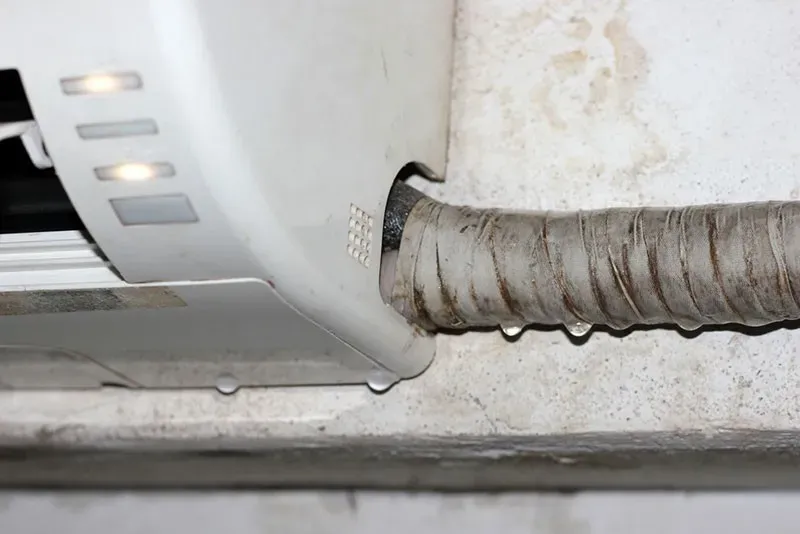
Drainage issues might seem minor, but they can cause significant damage. Your AC produces condensation that must drain properly. When the drain line clogs – common in Dubai’s dusty conditions – water backs up, potentially damaging your ceiling, walls, and the AC unit itself. You might notice water dripping from your indoor unit or water stains on nearby surfaces.
The Real Cost of Delaying Repairs
When your AC shows signs of problems, postponing repairs might seem like saving money, but the opposite is usually true. A small refrigerant leak becomes a compressor failure. A failing capacitor burns out the motor. A clogged drain line causes water damage requiring extensive renovation.
Beyond financial costs, there’s the health impact. Your family continues breathing poor-quality air, exposed to allergens and contaminants that a properly functioning system would filter out. During Dubai’s summer peaks, even a few hours without AC can create dangerous conditions, particularly for vulnerable family members.
The stress of an unreliable AC system affects your quality of life in ways that extend beyond discomfort. Poor sleep from inadequate nighttime cooling impacts work performance and children’s school focus. The constant worry about when the system might fail adds unnecessary anxiety to daily life.
Making Smart Decisions About AC Repair
Not every AC issue requires the same urgency. Complete system failure during July demands immediate attention – this is a genuine emergency in Dubai’s climate. However, if you notice your AC isn’t cooling quite as efficiently in February, you have time to schedule repairs at your convenience, often at better rates than peak summer emergency calls.
Get specific information when requesting service. Don’t just say “my AC isn’t working” – explain what’s happening. Does it not turn on at all? Is it running but not cooling? Are there unusual noises or smells? This information helps technicians arrive prepared with the right tools and parts.
Request detailed explanations of problems found. A good technician educates you about what went wrong, why it happened, and how to prevent similar issues. This knowledge empowers you to make better decisions about your home’s cooling system.
Consider the age and condition of your entire system when facing major repairs. If your AC is over ten years old and requires expensive repairs, calculating the long-term costs of continued repairs versus investing in a new, more efficient system might reveal surprising insights.
Your AC’s Role in Dubai’s Unique Environment
Dubai’s extreme climate makes AC systems work harder than almost anywhere else in the world. Your unit runs more hours annually than systems in temperate climates run in their entire lifespan. This intensive use, combined with sand, humidity near the coast, and temperature extremes, creates the perfect storm of AC stress.
Understanding this context helps you appreciate why regular professional attention isn’t optional – it’s essential maintenance for a critical home system. Your AC isn’t just an appliance; it’s life-support equipment in Dubai’s environment, and treating it accordingly protects both your investment and your family’s health.
Al Barsha 2’s specific conditions – the sand, the traffic pollution, the building types – mean your AC needs attention tailored to these challenges. Generic maintenance approaches don’t account for the particularities of your neighborhood, which is why local expertise matters when selecting who repairs your system.